

I lead research and service design workshops with startup and enterprise teams. Through personas, scenarios and role-play, we explore customer needs and decide what to improve.


Photograph 1 of 3.
Siemens
Research and workshop facilitation


Credit Suisse
End-to-end UX design, interim design lead · 2021

02
21Shares BlockSensai
UX research, AI product design · 2025
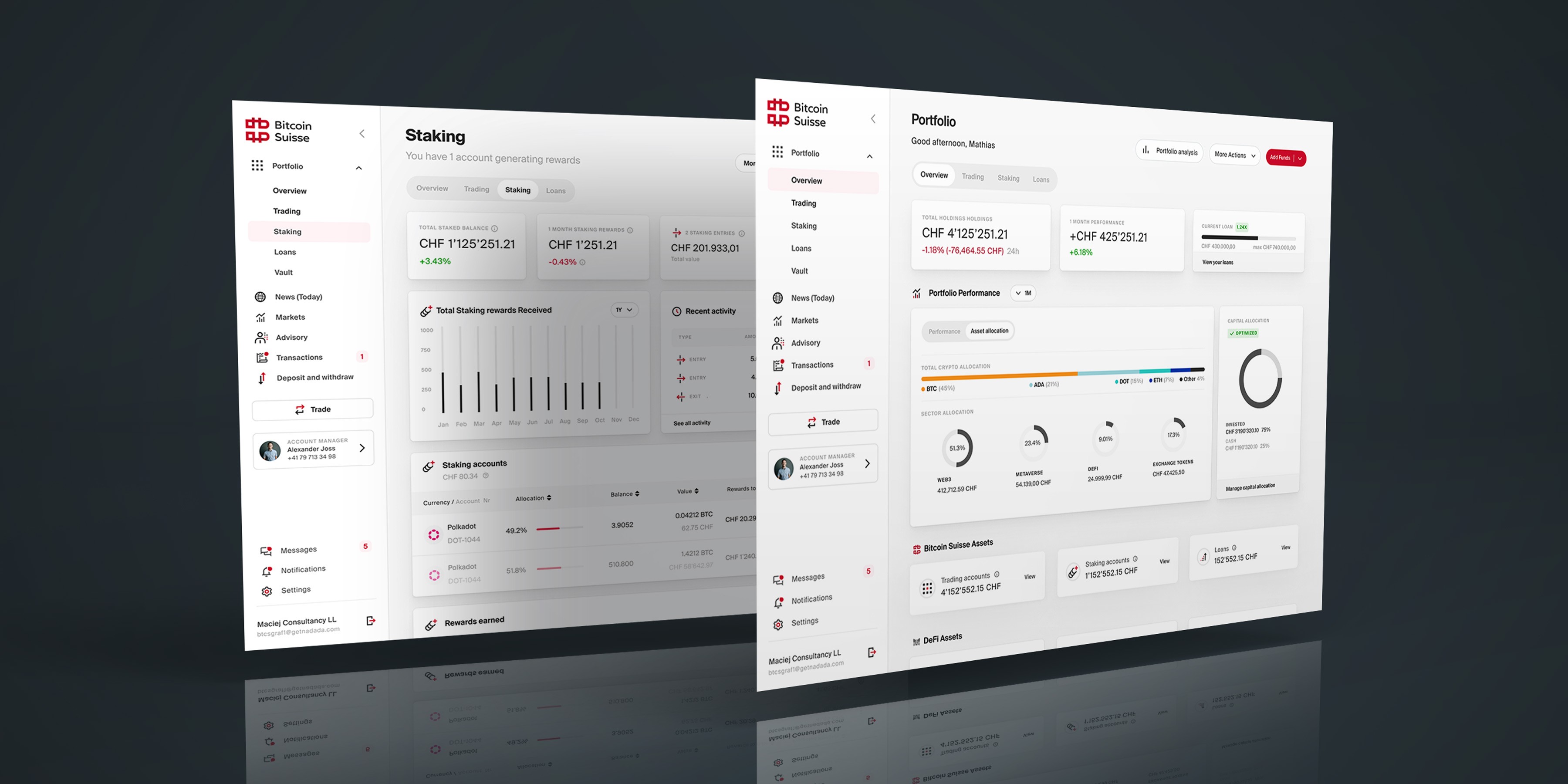
Bitcoin Suisse
Service design, end-to-end UX design · 2023

04
Lakesight
Product design and development · 2026

05
Bright Tape.ai
Product design, AI model development · 2026

06
Matchli
Product design, web & native prototyping · 2026

07
KBC Bank
Service design, end-to-end UX design · 2017
I lead research and service design workshops with startup and enterprise teams. Through personas, scenarios and role-play, we explore customer needs and decide what to improve.
Siemens
Research and workshop facilitation

Yesterday I heard a story that reflected something I hear more and more from people around me: frustration with fruitless AI initiatives in their companies. Teams are building and presenting new things, but they are struggling to turn that work into meaningful revenue or something that actually helps their customers.

I like what Apple’s folding iPhone could mean for design. Called iPhone Duo, it has a smaller outer screen for use when closed and a larger display inside that opens up when you unfold it. That gives us a reason to question familiar layouts and try ideas that would have made less sense on a conventional phone.

When a team can turn an idea into a working interface in a few hours, it is tempting to start building straight away. In companies that describe themselves as AI-first, analysing the problem and exploring the design can feel like a delay, especially when there is already something on screen that looks close to finished.


